A reliable road-trip packing list starts with the things that keep the journey moving: driving documents, roadside safety, water, navigation, chargers, food, weather layers and a small kit for the inevitable mess.
The best road trips feel spontaneous because the unglamorous details were handled before departure. A forgotten cable is annoying; a missing driving licence, rental agreement or insurance number can stop the trip entirely. This checklist begins with the non-negotiables, then works through the small items that make long days in a car much easier.
It is based on years of self-drive travel, including long journeys across the United States. You will not need every item for every route, but checking each category before you leave is far easier than hunting for a phone mount, first-aid kit or warm layer after dark.
Pack by purpose, not by panic
Documents
Licence, passport, rental paperwork and insurance details stay together and easy to reach.
Safety
Carry a compact first-aid and roadside kit suited to the country, weather and remoteness of your route.
Navigation
Download offline maps, pack the right charging cables and secure the phone in a proper holder.
Daily comfort
Water, snacks, tissues and a few reusable items save repeated stops and unnecessary waste.
The complete road-trip checklist
Documents and money
✓Driving licence and passport - check local rules for an International Driving Permit.
✓Rental documents - booking confirmation, insurance cover, emergency number and damage photos.
✓Payment cards and some cash for tolls, parking, small businesses or card outages.
✓National park or attraction passes already bought for the route.
Car and roadside safety
✓First-aid kit with personal medication, plasters, pain relief and any allergy essentials.
✓Roadside equipment required locally: warning triangle, reflective vest, torch and winter kit where applicable.
✓Antibacterial wipes, hand sanitiser and a few rubbish bags for spills and daily tidy-ups.
✓Emergency water plus the rental company and breakdown-assistance numbers saved offline.
Navigation and electronics
✓Phone with offline maps downloaded before entering areas with weak signal.
✓A secure dashboard or vent phone holder that does not block the driver’s view.
✓12V/USB charger, power bank and every cable needed by both driver and passengers.
✓Camera, spare battery and memory card if a phone is not your only camera.
✓Downloaded music, playlists, audiobooks and podcasts for long no-signal stretches.
Food and drink
✓Easy, low-mess snacks that tolerate a warm car.
✓Reusable water bottles, refilled whenever clean water is available.
✓Collapsible cool bag and ice packs for milk, fruit, sandwiches or medication.
✓Reusable cutlery and a lidded food container for leftovers or an early breakfast.
✓Travel mug and your preferred tea or coffee setup if that daily ritual matters.
Comfort and hygiene
✓Travel pillow or small lumbar cushion for long driving days.
✓Tissues, wet wipes and paper towels for spills and basic clean-ups.
✓A small emergency roll of toilet paper for remote stops.
✓Lightweight shoes that are comfortable for driving and quick roadside walks.
Clothing and weather
✓Sunglasses plus spare glasses or contact-lens supplies.
✓Layers for sudden temperature changes, even when the day begins warm.
✓Compact rain layer or umbrella and sun protection appropriate to the route.
✓Laundry bag, detergent sheets and a simple plan for washing on a longer trip.
Personal extras
✓Reusable tote for groceries, laundry or carrying loose items into the hotel.
✓One small grab bag containing the things you reach for at every stop.
✓Copies of important bookings and addresses available without mobile data.
✓Patience - diversions, weather, queues and wrong turns are part of road-trip travel.
Best packing methodOne small daily-access bag plus category pouches
Before collecting a rentalCheck licence, deposit card, insurance and cross-border rules
Most-forgotten itemsPhone holder, charging cable, water and offline maps
Safety priorityMatch the emergency kit to weather, distance and local law
Keep the important things within reach
Do not bury passports, rental paperwork, medication, water or charging cables beneath the luggage. Use one small “first hour” bag that stays with you through the flight or train journey and then moves into the front of the car. Everything needed only at the hotel can go in the boot.
Before leaving the rental bay, photograph every side of the vehicle, the wheels, windscreen, fuel level and mileage. Pair your phone, set the first destination while parked, adjust mirrors and seats, and locate the fuel-door release. Five calm minutes here prevents a surprisingly large number of problems later.
Food and drink without turning the car into a cupboard
A road trip does not require a mobile kitchen. Pack enough water and a few dependable snacks for delays, then replenish as you go. Choose food that is easy to open, does not melt immediately and does not create handfuls of crumbs for the rental-company vacuum.
A collapsible cool bag earns its space on hot routes and folds flat when empty. Reusable bottles, cutlery, a food tub and a tote also reduce the pile of disposable packaging that builds up during multi-day drives.
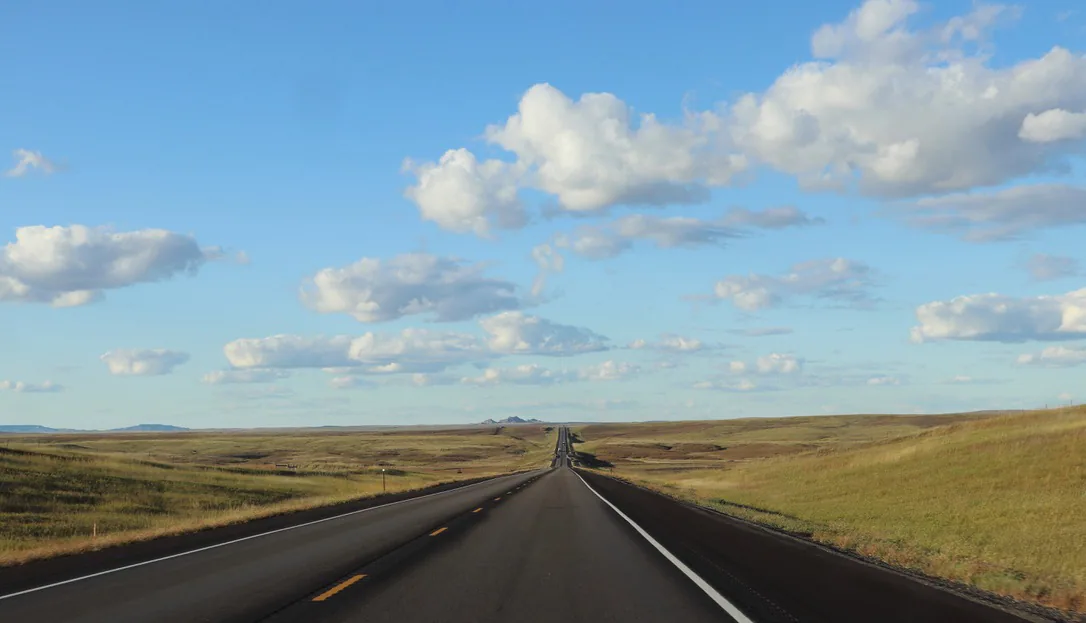
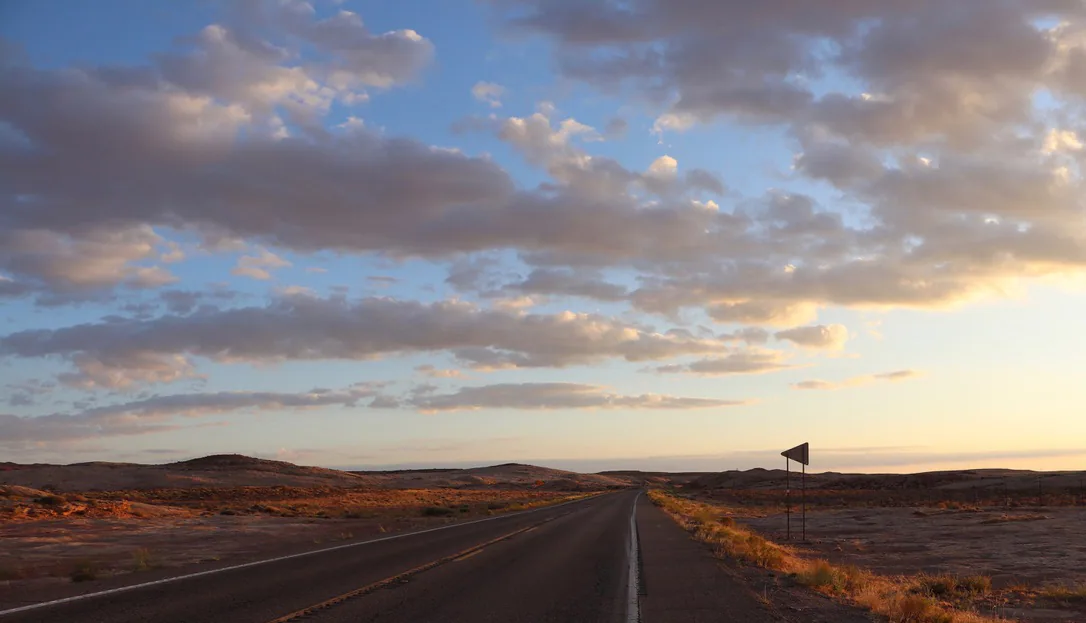
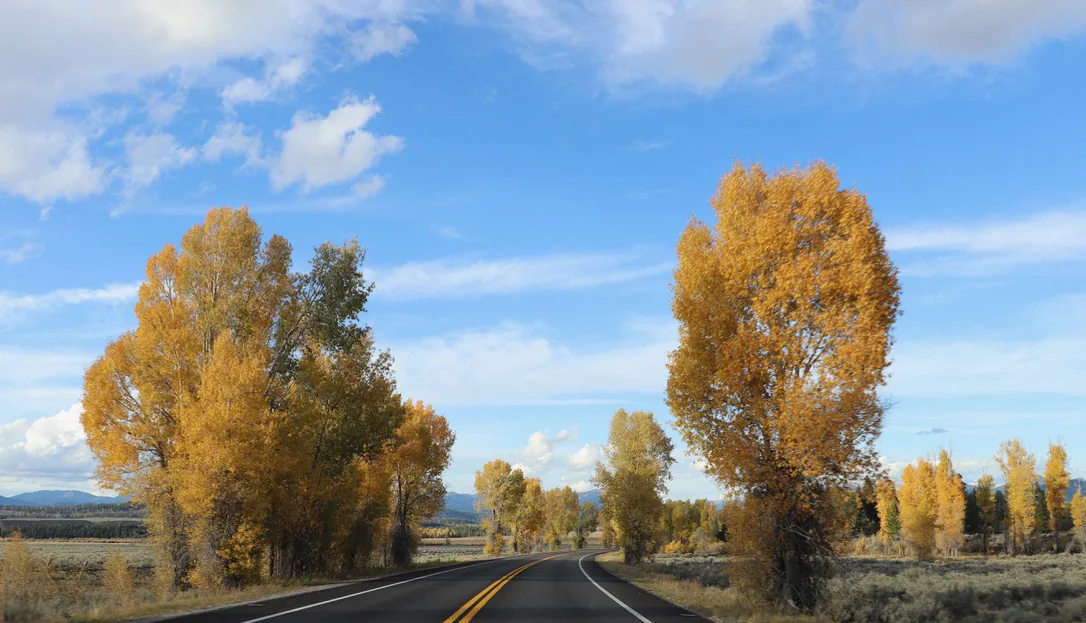
Scenes from the road
The checklist exists to make room for this part: pulling over safely, walking to a viewpoint and enjoying the route without wondering whether the phone will survive the afternoon or whether there is any water left.
Leave room in the schedule for safe scenic stops.Offline maps and water matter most where services are sparse.Check luggage space and photograph the car before departure.Weather and road conditions can change quickly.Group small essentials so they remain easy to reach.A cool bag and reusable containers reduce daily waste.Test chargers and download entertainment before leaving Wi-Fi.Keep a small clean-up kit in the passenger compartment.
The ten-minute check before every driving day
Look at the route, weather, fuel or charge level, road closures and the distance to the next reliable stop. Refill water, clear rubbish, connect the phone while parked and tell someone where you expect to finish if the route is remote.
The aim is not to carry everything you own. It is to remove predictable friction so the driver can concentrate and everyone can enjoy the day.
The Essential Road Trip Packing List – FAQ
What are the absolute essentials for a road trip?
Start with a valid driving licence, passport or ID, rental and insurance documents, payment card, medication, water, phone, secure phone holder, charger, offline maps and a roadside kit appropriate to the route.
What should stay in the front of the car?
Keep water, navigation, charging cables, tissues, sunglasses, medication and the day’s documents within reach. Passports, money, cameras and other valuables should leave the car whenever you do.
How should I prepare a rental car before leaving?
Photograph existing damage, wheels, glass, fuel level and mileage; adjust the driving position; pair the phone; locate essential controls; confirm the fuel type; and set the first destination while parked.
Do I need cash on a road trip?
Cards cover most spending, but a modest amount of local cash is useful for tolls, parking, small businesses and places with poor connectivity. Keep it split between secure locations.
How do I avoid overpacking for a road trip?
Pack by function, use one easy-access daily bag, choose reusable multi-purpose items and plan laundry on longer trips. Match safety and clothing gear to the actual weather and remoteness instead of packing for every possible scenario.












 What should stay in the front of the car?
  Do I need cash on a road trip?